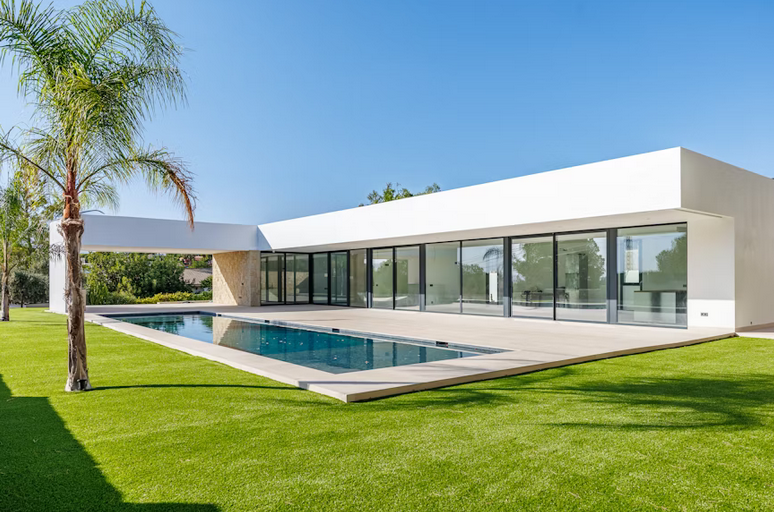
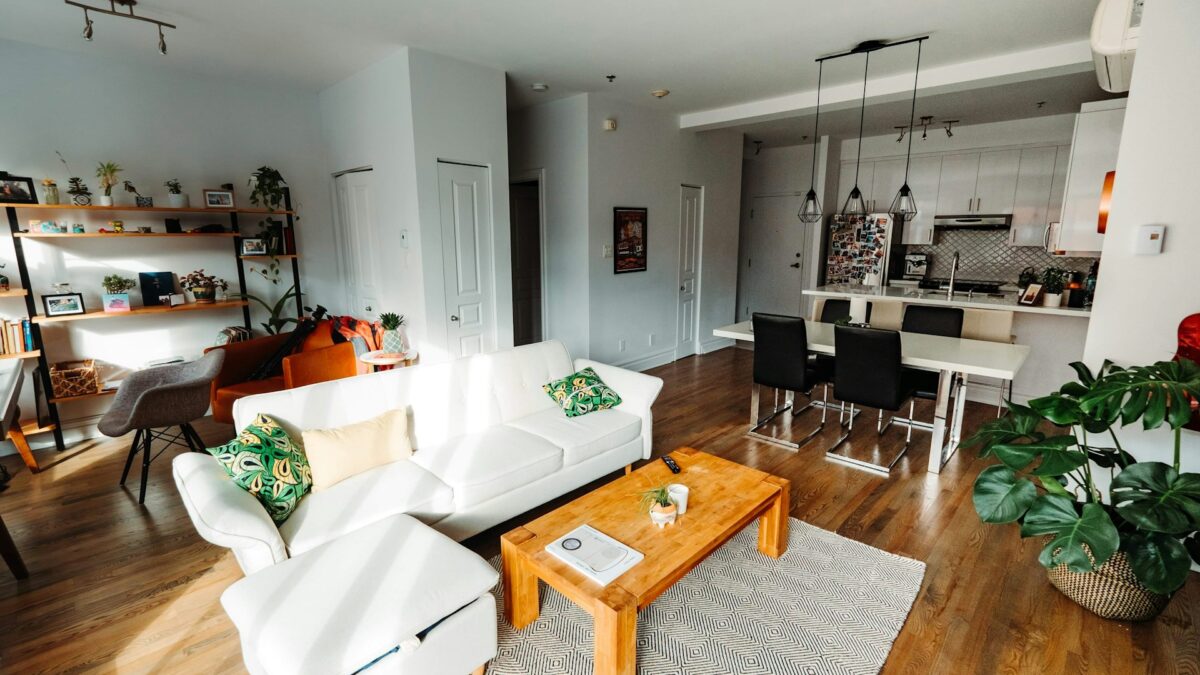
There’s something special about a home that looks like people actually live there. A blanket casually thrown over the sofa, a few books on the coffee table, family photos on the wall, or a favorite mug sitting in the kitchen can make a space feel warm and inviting. The problem is finding the line between lived-in and messy. Too little personality and your home can feel like a furniture showroom. Too much stuff, and suddenly you’re wondering where the floor went. The good news? A beautiful home doesn’t have to be perfectly tidy. It just needs a little balance.
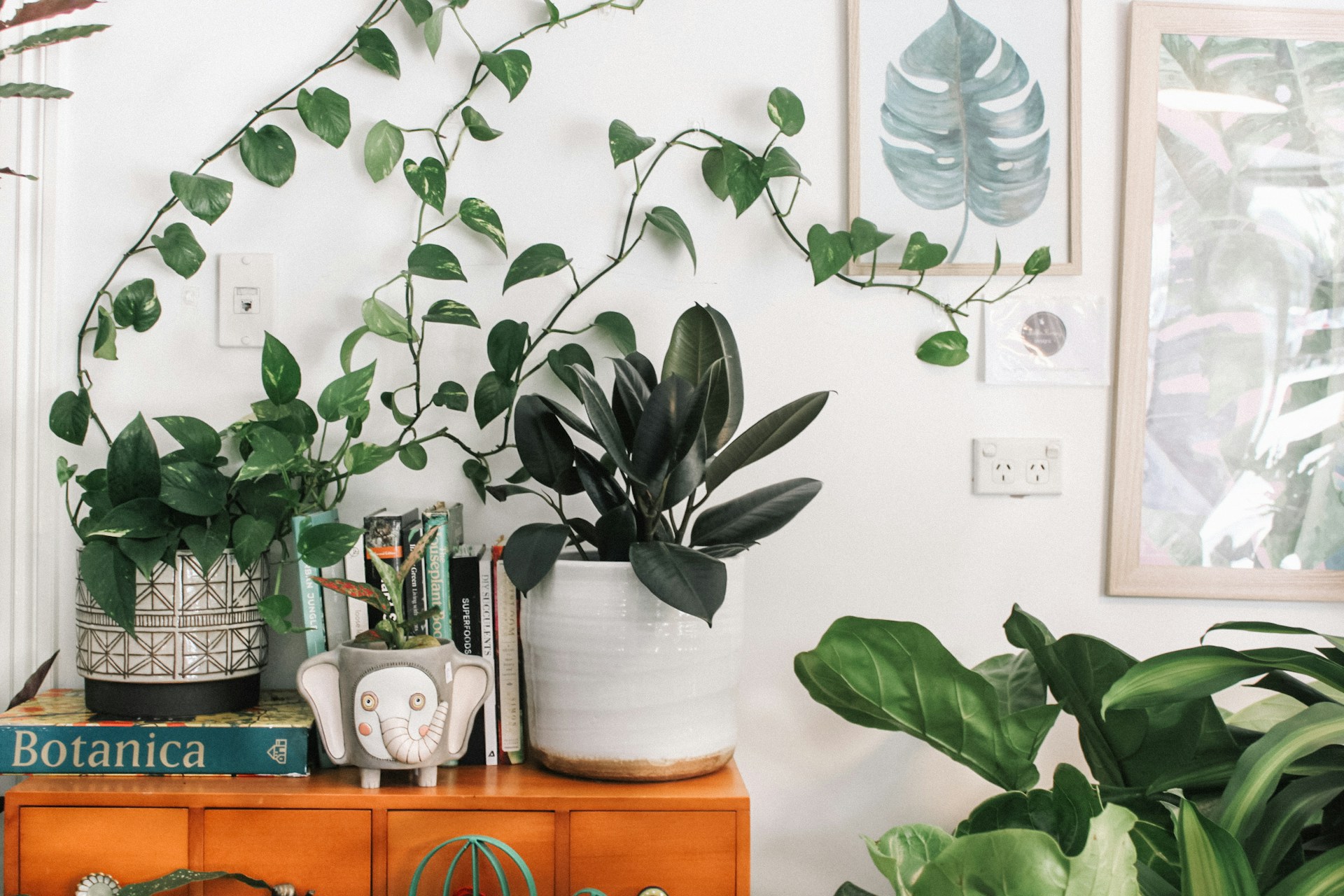
Let Your Personality Show
A home should tell people something about the person living in it. Maybe you’re a reader, a traveler, a plant lover, or someone who collects interesting little objects. Instead of hiding everything away, let a few meaningful things take center stage. Display your favorite books, photographs, artwork, or souvenirs where you can actually see and enjoy them. The trick is choosing meaningful items rather than filling every available surface.
Embrace a Little Imperfection
Perfectly styled rooms can look impressive, but they don’t always feel comfortable. A home feels more welcoming when it shows small signs of everyday life. A slightly rumpled throw blanket or a few cushions that aren’t perfectly arranged can actually make a room feel more relaxed. You don’t need to constantly reset your living room as if a photographer is about to arrive. Sometimes, a little imperfection is exactly what gives a space character.
Give Everyday Items a Home
Lived-in doesn’t have to mean chaotic. One of the easiest ways to control mess is to make sure the things you use every day have somewhere to go. A basket near the sofa can hold blankets. A tray on the entryway table can collect keys. A small container can keep remote controls from disappearing between cushions. These simple solutions keep everyday objects accessible without making the whole room look disorganized.
Use Textures to Create Warmth
If your home feels a little too sterile, you don’t necessarily need more decorations. Try adding texture instead. Soft rugs, curtains, cushions, wooden furniture, woven baskets, and comfortable throws can make a huge difference. Different textures add visual depth and make a room feel more inviting without adding unnecessary objects.
Don’t Be Afraid of Empty Space
This might sound strange in an article about making a home feel lived-in, but space matters. When every wall, shelf, and tabletop is covered, individual items lose their impact. Leaving breathing room lets the things you genuinely love stand out. A clear section of wall can make one piece of artwork more noticeable, while an uncluttered table can make a simple vase or lamp feel intentional.
Create Spaces People Actually Use
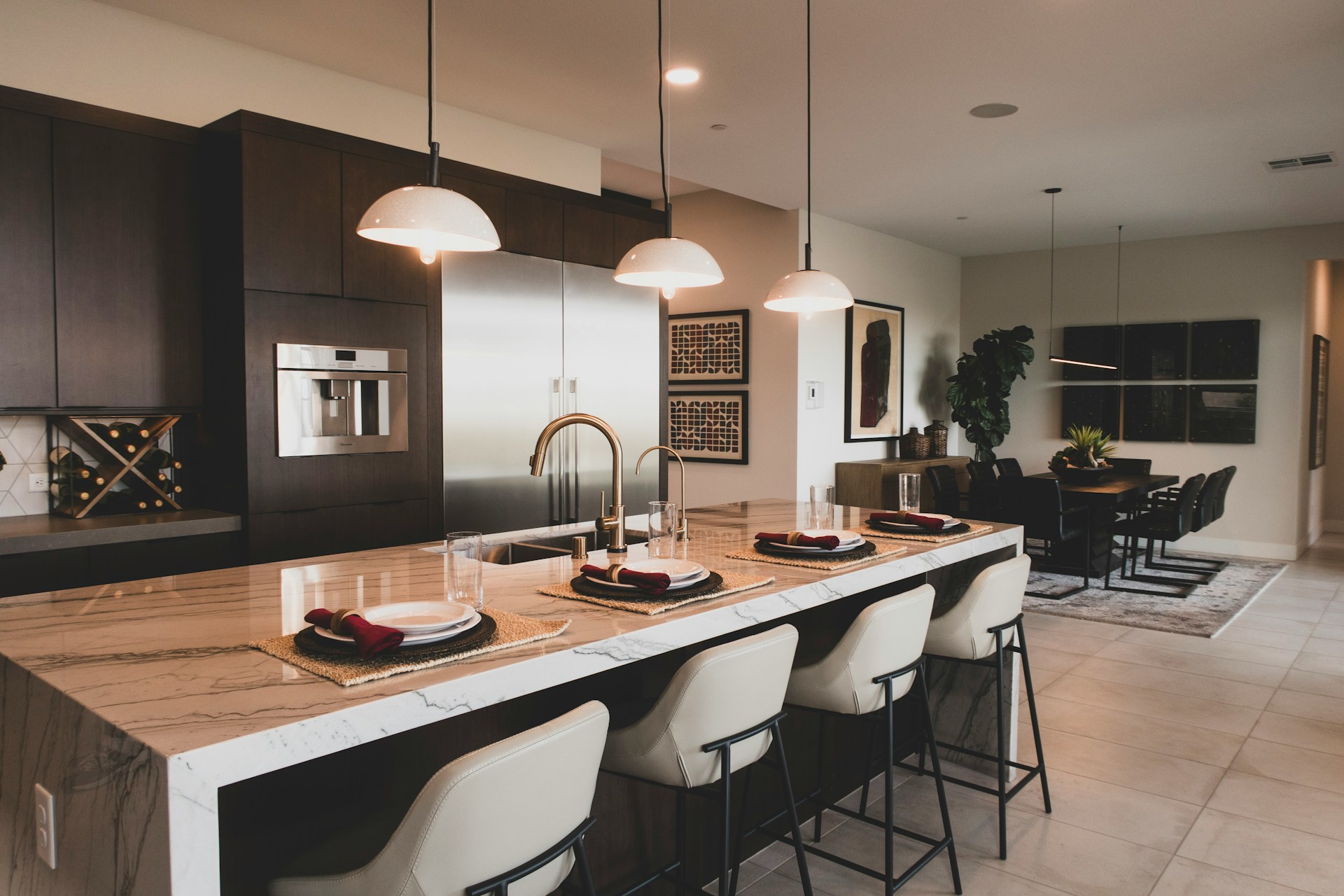
One of the biggest secrets to a welcoming home is designing it around real life, not appearances. If you love drinking coffee while reading, create a comfortable corner for it. If your family gathers around the kitchen, make that area inviting. If everyone throws their bags near the door, work with that habit instead of pretending it doesn’t happen. Your home should support your routines, not constantly fight against them.
Keep the Mess Under Control
A lived-in home will inevitably get messy sometimes. That’s normal. The goal isn’t to eliminate mess but to prevent small messes from becoming overwhelming. A quick evening reset can make a big difference. Put things back where they belong, clear the main surfaces, fluff the cushions, and deal with obvious clutter. You don’t need to spend hours cleaning every day. Consistency is usually more useful than perfection. A home doesn’t need to look untouched to be beautiful. In fact, some of the most inviting spaces are the ones that clearly belong to real people.
Let your personality appear. Keep the things you love within sight. Add comfortable textures, create practical storage, and leave enough space for everything to breathe.